


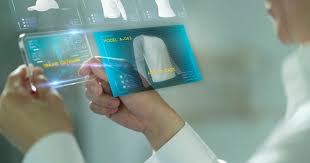
In a world where innovation never sleeps, the convergence of digital signage and robotics is a transformative step for businesses. In the food and beverage (F&B) and retail sectors, this possibility means elevated customer experiences across the board.
The idea of robots assisting in your favorite café or digital screens providing personalized shopping experiences may sound like a sci-fi movie. However, it’s quickly becoming a reality. So, here’s the big question: Are digital signage and robots the future of F&B and retail? Let’s dig in.
Where Do Robotics and Digital Signage Converge?
Think of robotics and digital signage as the dynamic duo of modern retail and F&B. This synergy creates a tech-driven environment that enhances both customer experiences and operational efficiency.
Let’s explore key intersections of these technologies through real-world examples.
1. Delivers interactive customer service
Interactive customer service is one of the most exciting areas of this technological convergence.
Picture this: you walk into a high-tech retail store. A friendly robot approaches and asks if you need assistance. While the robot helps you find the items you’re looking for, digital signage around the store updates to show you related products and special offers. These robots help guide customers, while digital displays provide additional information and promotions.
2. Ensures personalized shopping experiences
Did you know that 77% of customers choose and recommend brands that offer personalized experiences?
This is where robotics and digital signage can help!
For instance, a robot might greet customers by name and remember their past purchases. Digital signs display tailored offers and recommendations as they move through the store. This personalized touch is not only impressive but also enhances customer loyalty.
3. Streamlines inventory management
Inventory management can be a hassle if you don’t have the right processes. It is also a tedious task that requires a lot of manual labor.
In the back end, robots and digital signage make inventory management seamless. Robots can quickly scan shelves and update stock levels in real-time. This information is then displayed on digital screens for staff, ensuring they know the up-to-date stock levels. This reduces the risk of running out of popular items and keeps employees informed.
In the front end, customers can check in-stock items, pricing updates, and product names easily on electronic shelf (e-shelf) labels. This way, they won’t have to run around for updated prices or to check what stock is available. This creates a more customer-friendly experience, boosting brand image.
4. Enhances dining experiences
In the F&B sector, the convergence of robotics and digital signage helps elevate dining experiences.
We’re talking about swift ordering processes and personalized menu suggestions based on past customer visits. Additionally, as customers wait, digital screens can display order status and even highlight new dishes or promotions. This combination speeds up service and adds a personalized touch.
Digital menu boards by L Squared streamline the ordering process with real-time relevant menus. You can update prices, promote seasonal specials, and even remove out of stock items instantly with the help of a cloud-based content management system. This ensures your store is always updated with the latest information for smoother customer interactions.
5. Enables real-time updates and promotions
We know digital signage excels at real-time communication. But when paired with robotics, the possibilities only amplify.
For instance, if a robot detects that a certain product is running low, it can signal the digital signage to highlight a similar product or offer a promotion on related items. This keeps the shopping experience smooth and helps retailers manage inventory more effectively.
Another example is dynamic promotion updates. Imagine a robot monitoring customer foot traffic and purchasing patterns throughout the day. Suppose it detects a surge in demand for a specific product. In that case, it can communicate with digital signage to adjust prices in real time or offer flash promotions to capitalize on the increased interest. This helps maximize sales during peak times and enhances the shopping experience by providing timely and relevant offers.
What Technology Ensures Seamless Robotics and Digital Signage Convergence?
So far, we’ve discussed the practical applications of robotics and digital signage in F&B and retail. The question now is: What makes this possible? What technology ensures seamless integration between these two tools?
The answer is the Internet of Things (IoT).
IoT acts as the connective tissue that allows these technologies to communicate and collaborate seamlessly. It enables the collection, analysis, and exchange of data in real time, creating a smart environment where devices work together to streamline operations. Here’s how:
- Real-time data collection and analysis: IoT sensors and devices collect vast amounts of data from various sources, such as customer interactions, inventory levels, and environmental conditions. This data is then analyzed to provide actionable insights.
For example, in a retail store, IoT sensors can track customer movement and behavior. Robots can use this data to offer personalized assistance, while digital signage dynamically updates to display relevant promotions and product information based on current trends and customer preferences.
- Seamless communication between devices: IoT ensures that robots and digital signage can communicate effortlessly. For instance, if a robot detects that a product is trending based on customer interactions, it can immediately inform the digital signage system to highlight this product and display special offers. This real-time communication creates a responsive environment that adapts to customer needs and behaviors instantly.
A Few Things to Consider
Implementing robots + digital signage has multiple benefits. However, some considerations and challenges need to be addressed.
- High initial costs: One of the biggest hurdles to robotics and digital signage integration is the initial upfront investment. This includes not only the cost of the technology but also training staff and potentially redesigning store layouts to accommodate new systems. However, these costs can be offset over time by the efficiencies gained and the potential for increased sales.
- Technical and Operational Hurdles: Deploying and maintaining advanced technologies can be challenging. You need to ensure that your infrastructure can support these systems and also have the technical expertise to manage them. That’s why it’s so crucial to choose the right vendor that can help you with regular maintenance and updates to keep everything running smoothly.
- Customer Acceptance: While many customers are tech-savvy and open to new experiences, some may be resistant to interacting with robots. Change is scary, and you need to address it with empathy, understanding, and reassurance.
Adding a Human Touch
Here’s where it gets tricky. Sure, digital signage and robotics bring a lot of perks, but we can’t forget the importance of balancing technology with human interaction. Customers still crave that personal touch and warm service. Ultimately, it’s all about using technology to enhance, not replace, the human element.
For employees:
Employees need to know how to work with robots and make the most of digital signage. This means understanding not just the technical aspects but also how to seamlessly integrate these tools into daily operations. When staff are confident and knowledgeable, they can use technology to create a more efficient and engaging customer experience.
Think about it — technology can handle repetitive tasks, freeing up employees to focus on more meaningful interactions with customers. For instance, a robot can manage inventory or guide customers to products, allowing staff to offer personalized advice and assistance. Digital signage can provide real-time updates and promotions, enhancing the shopping experience without replacing the human touch.
For customers:
For customers, the human touch is essential. It adds warmth and personalization to the shopping experience. A friendly smile, a helpful suggestion, or a genuine conversation can make a big difference in how customers feel about their visit. Humans can read emotions and respond with empathy, something technology can’t replicate. This personal connection builds trust and loyalty, encouraging customers to return.
Rethinking the Future
Wrapping up our exploration into the future of food, beverage, and retail — it’s clear that robots and digital signage are trends that will stay. They’re shaping up to be game-changers in how we experience shopping and dining.
While robots were primarily used for mundane, repetitive tasks like scrubbing floors and mopping shelves, they’re now stepping up into more interactive roles to boost customer experience. In other words, we are stepping into a future where technology enhances the human touch.
Looking ahead, the possibilities are pretty exciting for digital signage too. Think of digital signs that don’t just display information but actually engage with you, offering personalized suggestions based on your past choices.
As businesses embrace these innovations responsibly, they’re setting new standards for customer service and operational efficiency. By blending digital signage and robotics with good old-fashioned human warmth, we’re creating environments that are smarter, more connected, and incredibly welcoming. Here’s to embracing the future of F&B and retail with open arms — and robots!


