

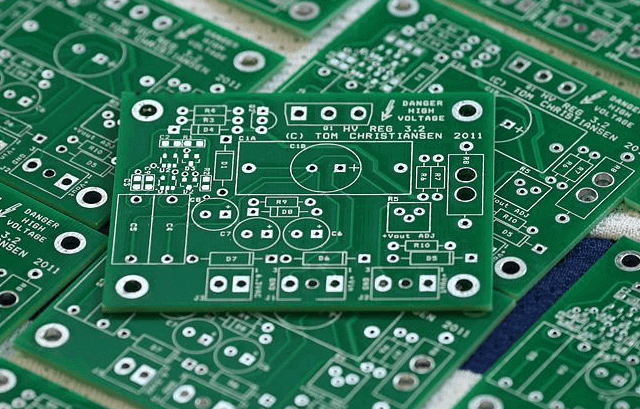
Printed Circuit Boards, or PCBs, are very important parts of technology and circuits. Printed circuit boards, or PCBs, are important parts of most computer products. Many things can cause the prices of creating and making PCBs to change greatly. A lot of information will be given about how much a PCB board costs. The main factors affecting prices will be examined, and good ways to deal with PCB design costs will be given. No matter how skilled you are as a maker or how much you love electronics, you need to know how much PCB boards cost to plan and buy them wisely. See more : e waste recycling
- What is a PCB Board?
People often just call them “PCBs.” Printed Circuit Boards (PCBs), in which present in raspberry pi 5, are very important parts of electronics. Printed Circuit Boards (PCBs) are very important parts of electronics. Many types of electrical parts need printed circuit boards (PCBs) to work and connect. These include capacitors, resistors, integrated circuits, contacts, and more. Lines are etched or drawn on boards made of things that don’t carry electricity. Because the lines are receptive, electricity can flow between the parts, letting them talk and work together.
- PCB Board Cost Overview
For good budgeting, you need to know about the different things that affect how much a PCB board costs. The main things that affect the price of PCBs are listed below:
1. Complexity of Design
A big part of the cost is how complicated the PCB design is. Most of the time, a PCB with only one layer and few parts will cost less than one with many layers and difficult wiring needs. How much it costs varies on the number of layers, how dense the parts are, and how hard the circuits are to make.
2. Board Size
How big or small the PCB is can also affect how much it costs. Larger boards usually need more material and may need more steps in the making process, like laminating. Because of this, bigger boards usually cost more expensive.
3. Quantity and Order Volume
When figuring out how many PCBs are needed, economies of scale should be taken into account. The cost per unit is usually cheaper when you order more. This is because companies can improve the way they make things and lower the costs of setting them up.
4. Materials Used
The materials you choose for your PCB greatly impact how much it costs. The board may cost more in total if it is made with high-quality materials and unique laminates. Costs can also change depending on the type of material and how thick it is.
5. Lead Time
Shorter wait times are often linked to higher costs. Makers may have to change their production plans and give your order priority if you need your PCBs quickly. This could mean that you have to pay more for faster service.
6. Surface Finish and Coating
The type of surface finish and covering you choose can also change how much your PCB costs. Some kinds tend to cost more, but they are known for staying longer and being able to handle different weather.
7. Tolerances and Quality Standards
When tight limits and quality standards are needed, the manufacturing cost of something can go up. This is because the quality control and testing methods have to be more careful.
- PCB Design Cost
It is important to consider both the PCB manufacturing cost and the PCB design cost when figuring out how much a PCB costs altogether. The cost of PCB design includes all the different costs that come up when you create the circuit layout. These costs include
1. Design Software
For PCB design to work, you usually need to use specific software tools, which can range in price. Some software packages offer more advanced features for designing complex things, but they might cost more.
2. Designer Expertise
How experienced and skilled the creator is can also change how much the PCB costs. Designers who are good at what they do usually charge more for their services. Their knowledge can lead to ideas that work better and cost less.
3. Design Complexity
As was already said, the design’s level of difficulty has a direct effect on how much the job costs. More complicated designs usually take more time and work from the creator, which drives up the cost of the design.
4. Revisions and Prototyping
Iterations and prototypes in the design process may cost more than planned. Changing the design more than once, especially on complicated jobs, can add to the cost of the design.
Conclusion
Electronics designers and makers must understand PCB board pricing factors. Whether you’re a hobbyist developing tiny projects or a pro-manufacturing high-tech device, PCB pricing is crucial to project planning. Consider design complexity, board size, resources, order quantity, and wait time to create options that fit your project’s budget and demands. Planning your project budget should include PCB design costs. These fees greatly impact the cost of your tech device. You must enhance your design and manufacturing procedures to keep PCB board costs low while maintaining quality and performance.
