

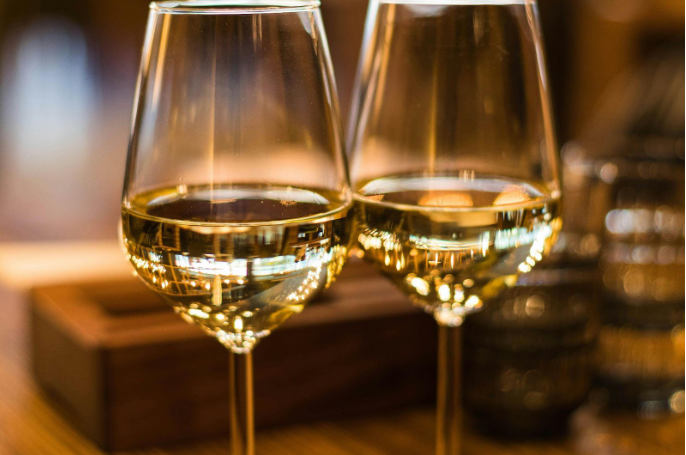
The production of champagne is a meticulous process, requiring a refined choreography that demands years of expertise. Every stage is equally pivotal, with the elegance of the end result truly lying in the minutiae. This expert’s handbook will unveil the sophisticated phases of champagne production, offering a sparkling insight into a realm that few have the privilege to observe. How do we get to a finished product like Moet?
The Dance Begins: Harvesting with Pizzazz
First, the curtain rises on the vast vineyards of Champagne, an arboreal ballet preparing for its grand performance. At the heart of this show is the harvest, a time when the winemaker orchestrates a performance of pruning shears amidst the grape-laden branches. The key to a fine opening act lies in the timing; grapes are plucked at just the right moment, their sugars and acids in perfect harmony, promising a libation that will linger on the palate.
The Grape Press: Squeezing out Secrets
The next scene reveals the press in action, transforming plump, ripe grapes into a pristine must. This press, a maestro in its own right, must handle its instrumentalists with care, squeezing only the best juices that possess the purity fit for the name ‘champagne.’ The result is a liquid as golden as the harp, ready to weave sugary symphonies during fermentation.
Fermentation: A Play of Yeast and Sugar
The third stage, fermentation, is where the alchemy truly begins. Added to the must, the silent partners of yeast and sugar turn the wine into champagne, its very essence undergoing metamorphosis. The process is slow and stealthy, demanding patience as the wine’s complexities develop, hidden flavours bubbling up to the surface like a dramatic crescendo.
The Artistic Touch of Blending
In the blending room, the winemaker takes centre stage. With a flourish of their wrist, they select wines from various years and vineyards, each one a brushstroke in the artist’s palette. It is here that the champagne’s character is crafted, the balance of flavours and aromas curated to create a consistent signature with each bottle.
Ageing: The Solitary Cellist
Ageing, similar to a lone cellist in a dark, echoing chamber, is an introspective period where the young wines mature. They sit in the quiet company of oak or stainless steel, the occasional soft stir energising the solace. This stage builds the backbone of the champagne, its depth and complexity emerging with time’s enigmatic ticking.
Riddling and Disgorging: the Magician’s Turn
A magician never reveals their secrets, yet we peek behind the silky cloak. Riddling and disgorging are acts of prestidigitation, clarifying the wine while retaining its cherished effervescence. The bottles are spun and turned with precision, sediment expelled at just the right moment, giving us a clear, sparkling potion, ready for its final metamorphosis.
The Grande Finale: Dosage and Corking
In the grand finale, the dosée adds a touch of sweetness before each bottle is sealed with a satisfying pop. The cork, a final bow, holds within it a promise of celebration, encapsulating the years of hard work distilled into each radiant drop. The curtains close on a process so intricate, it’s a wonder that any of us get a chance to taste its delightful results.
