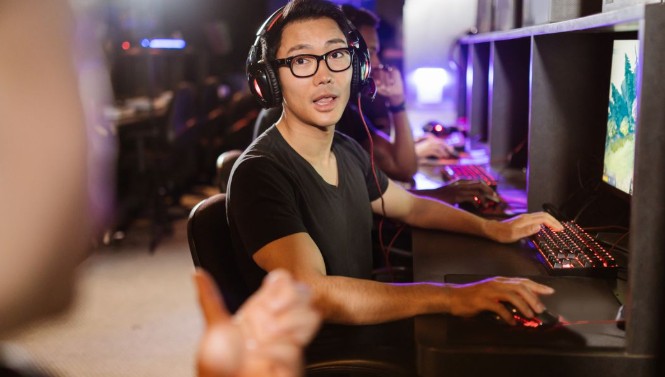
Have you ever noticed that online gaming can feel completely different from one person to the next? That is because digital games give players room to approach play in ways that match their mood, habits, and goals.
Some people like fast decisions and constant action, while others prefer planning, building, or quiet exploration. Online spaces support those differences by offering flexible pacing, varied objectives, and social options that let people shape the experience around how they actually like to play.
That flexibility matters because play style is not a fixed label. The same person might want competition on one day, teamwork on another, and a low-pressure session later in the week, and online gaming can support each of those choices without forcing one way to play.
Why Play Style Matters
Play style affects what makes a session satisfying.
Personal Motivation Shapes Enjoyment
Some players feel rewarded by improvement, some by creativity, and some by connection with other people. Online games often include multiple systems at once, so a player who likes learning mechanics can focus on mastery while another person in the same space can focus on collecting items, solving problems, or chatting with a group.
Flexibility Keeps Play Comfortable
Online gaming works well for different play styles because it rarely asks everyone to enjoy the same activity in the same way. A player who wants short, focused rounds can often jump in and out quickly, while a player who prefers longer sessions can settle into tasks that reward patience and steady attention.
Support For Competitive Players
Some online games are especially appealing to people who enjoy direct tests of skill.
Clear Feedback Helps Skill Focus
Competitive players usually want measurable progress. Ranked systems, score tracking, and replayable matches give them clear feedback about decisions, timing, and consistency. That structure supports people who enjoy setting performance goals and refining small details over time.
Fast Pacing Rewards Sharp Decisions
Online play often creates live situations where quick reactions matter. For players who like pressure and adaptation, that pace can be satisfying because every round asks them to read patterns, adjust strategy, and stay mentally active instead of repeating the same routine.
Room For Cooperative And Social Play
Not every player wants to compete against others.
Many people enjoy online gaming most when success depends on coordination. Cooperative modes support that style by giving players different roles, shared objectives, and reasons to communicate. Someone may prefer healing, scouting, defending, or organizing, and each approach can feel useful within the same session.
Conversation Can Be Part Of The Fun
For social players, the activity is often as much about interaction as mechanics. A casual match or shared task can create space for talk, jokes, and group routines. That is one reason people can move between serious strategy and lighter formats, including simple chance-based options that some communities discuss through terms like slot88, depending on what kind of pace they want that day.
Space For Creative And Exploratory Players
Online gaming also supports people who enjoy self-directed play.
Open Systems Encourage Experimentation
Creative players often want tools, not strict paths. Games with building, customization, or flexible problem-solving allow them to test ideas and make personal choices that change the feel of play. That freedom supports players who care more about expression than winning quickly.
Exploration Rewards Curiosity
Some players enjoy taking time to look around, learn systems, and notice details. Online environments can support that by offering hidden areas, side activities, player-made spaces, or evolving events. Instead of pushing everyone toward constant action, these features reward patience and observation.
Different Pacing Supports Different Moods
Play style is also tied to energy level and available time.
Short Sessions Fit Busy Schedules
Many online games support drop-in play, which helps people who only have a few minutes. Quick matches, small tasks, or simple daily goals let players enjoy a complete session without committing to a long block of time. That makes online gaming easier to fit around school, work, or family routines.
Long Sessions Reward Deep Focus
Other players enjoy settling into a slower rhythm for hours at a time. Longer activities such as extended team sessions, planning-heavy missions, or gradual progression systems support that style by giving space for attention, routine, and meaningful buildup instead of instant results.
Choice Creates A Better Fit
The biggest strength of online gaming is the amount of control players often have over their own experience.
Settings And Modes Change The Feel
Difficulty options, matchmaking types, communication tools, and mode selection can all shape play style. A person can choose private sessions for a calmer experience, public matches for more unpredictability, or structured modes for a stronger sense of challenge. Those choices help players find an environment that matches what they want from play at that moment.
Players Can Shift Styles Over Time
People do not stay in one play style forever. A beginner may start with relaxed exploration, move into cooperative play, and later enjoy competitive modes after building confidence. Online gaming supports that change by offering multiple paths inside the same broader hobby, so players can keep adjusting without losing what they already enjoy.