Online slot88 has changed the way people around the world experience entertainment. Instead of playing games only against computer-controlled opponents or people sitting in the same room, players can now connect through the internet and participate in shared digital experiences with people thousands of miles away.
From competitive multiplayer matches to cooperative adventures and massive virtual worlds, online gaming offers experiences for almost every type of player. The industry has also expanded beyond traditional gaming into esports, livestreaming, content creation, mobile entertainment, and online communities.
The Meaning of Online Gaming
Online gaming refers to playing video games using an internet connection. The internet allows players to connect with game servers, interact with other users, download updates, participate in multiplayer matches, and access continuously changing content.
Some online games are designed primarily for competition, while others focus on cooperation, exploration, storytelling, or social interaction.
The variety of available games means that online gaming is no longer associated with a single type of player.
How Online Gaming Became Popular
The development of online gaming happened gradually.
Early multiplayer games had limited capabilities because internet connections were slower and computer hardware was less powerful. As broadband became more common, developers gained the ability to create larger and more complex online experiences.
Gaming consoles introduced online services that allowed players to compete from their homes. Personal computers benefited from digital game distribution and online communities.
The introduction of smartphones accelerated this growth even further. Mobile gaming allowed people to participate in online games without purchasing a dedicated gaming system.
The Main Types of Online Games
Online gaming includes numerous genres.
Multiplayer Shooters
Shooter games are built around combat and competition. Players may participate individually or as members of a team.
These games often require quick reactions, accurate aiming, communication, and strategic positioning.
Battle Royale
Battle royale games typically place many players in a large environment where they compete to survive.
Players search for weapons, equipment, and resources while dealing with opponents and a progressively smaller playable area.
Role-Playing Games
Online role-playing games allow players to create characters and develop them over time.
Character progression may include new abilities, equipment, missions, and customization options.
Strategy Games
Strategy games focus on planning and decision-making.
Players may manage armies, cities, economies, or resources while attempting to achieve specific objectives.
Online Sports Games
Sports games allow players to compete in digital versions of football, basketball, cricket, racing, and other sports.
Online modes can provide tournaments, leagues, rankings, and multiplayer matches.
The Importance of Multiplayer Interaction
The ability to interact with other people is one of the defining characteristics of online gaming.
Players can communicate with teammates through voice or text chat and coordinate strategies during matches.
Friends can also use online games as a way to spend time together despite living in different locations.
Some gaming communities become large social networks where players discuss strategies, share content, organize events, and make new connections.
Online Gaming and Teamwork
Team-based games can require significant cooperation.
Players often have different roles and abilities, meaning that one person’s actions can affect the entire team.
Effective teams communicate information, coordinate their movements, and adjust their strategies when the situation changes.
This dynamic makes multiplayer games unpredictable because the behavior of teammates and opponents can change from one match to another.
The Competitive Gaming Environment
Many online games include ranking systems.
Players may receive rankings based on their performance and compete against others in similar skill ranges.
Ranked gameplay can encourage players to practice and learn new strategies.
Competitive gaming has also created organized tournaments and professional leagues, giving rise to the esports industry.
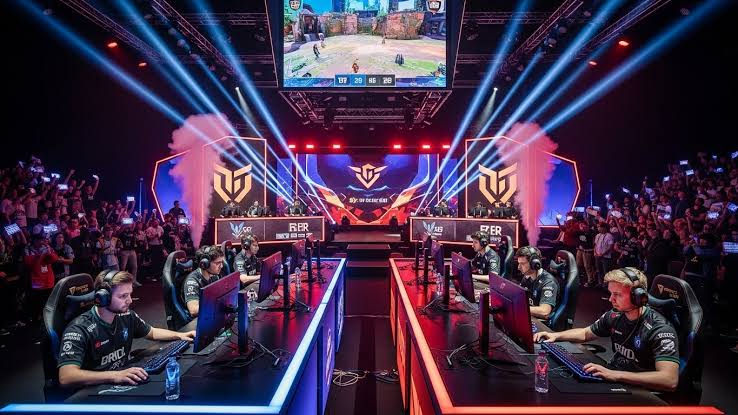
Online Gaming and Esports
Esports involves organized competitive video gaming.
Professional players can compete as individuals or as part of teams. Competitions may be broadcast through online streaming platforms and watched by large audiences.
Esports also supports many other roles, including coaches, analysts, commentators, event organizers, video producers, and marketing professionals.
This has transformed competitive gaming into a broader entertainment ecosystem.
The Growth of Game Streaming
Streaming platforms have changed how people consume gaming content.
A player can broadcast a live game session while viewers watch and communicate through chat.
Streamers may specialize in competitive gaming, entertainment, tutorials, reviews, or specific games.
Recorded gaming videos have also become popular. Walkthroughs, guides, highlights, reviews, and strategy videos can help players learn while providing entertainment.
Online Gaming on Smartphones
Mobile gaming is one of the most accessible forms of online gaming.
Modern smartphones can run multiplayer games with advanced graphics and online features. Players can download games directly from app stores and begin playing without purchasing a dedicated gaming system.
Mobile gaming is particularly convenient because smartphones are portable and can be used in many different locations.
The Role of Game Updates
Modern online games are often continuously updated.
Developers can introduce new maps, characters, missions, events, weapons, cosmetic items, and gameplay improvements.
Regular updates can keep a game active for years instead of requiring players to purchase an entirely new title every few months.
However, frequent updates can also require large downloads and significant storage space.
Online Gaming and Cybersecurity
Security is an important consideration for online players.
Gaming accounts can contain personal information, payment details, and purchased digital items.
Players should use strong and unique passwords and enable two-factor authentication where available.
They should also be careful with messages offering free rewards or asking for account information.
Using official platforms for game downloads and updates can reduce security risks.
In-Game Purchases
Many online games offer optional purchases.
These may include cosmetic items, virtual currencies, subscriptions, battle passes, or additional content.
Players should understand the pricing system before making purchases.
Setting a personal budget can help prevent excessive spending, particularly in games that encourage frequent small transactions.
Potential Challenges
Online gaming can become problematic when it begins to interfere with important parts of everyday life.
Spending too much time playing may reduce sleep, exercise, productivity, education, or social interaction outside gaming.
Players can maintain balance by establishing reasonable gaming schedules and taking breaks.
Online communities can also involve harassment or toxic communication. Blocking, muting, and reporting tools can help players manage inappropriate behavior.
Creating a Better Gaming Experience
A good gaming environment involves more than having powerful hardware.
Players should have a comfortable setup, appropriate lighting, and a stable internet connection.
Taking regular breaks can reduce fatigue during long sessions.
It is also useful to keep games, operating systems, and security software updated.
Maintaining healthy offline activities is equally important.
The Future of Online Gaming
The future of online gaming will likely be shaped by new technologies.
Artificial intelligence could help developers create more intelligent characters and dynamic environments.
Cloud DEWA222 could make demanding games accessible on devices with less powerful hardware.
Virtual reality may provide immersive multiplayer experiences, while augmented reality could integrate digital gameplay with real-world environments.
Cross-platform gaming may also continue to expand, allowing people using PCs, consoles, and mobile devices to participate in shared experiences.
Conclusion
Online gaming has evolved into a global form of entertainment that combines technology, competition, communication, and creativity.
Players can compete against opponents, cooperate with friends, explore virtual worlds, watch professional competitions, or create gaming content for online audiences.
The industry will continue to evolve as internet infrastructure and digital technologies improve. New platforms and technologies will create opportunities for developers and players alike.
For individuals, the best way to enjoy online gaming is to maintain a healthy balance. Responsible screen time, secure accounts, controlled spending, and regular offline activities can help make gaming an enjoyable and sustainable hobby.