


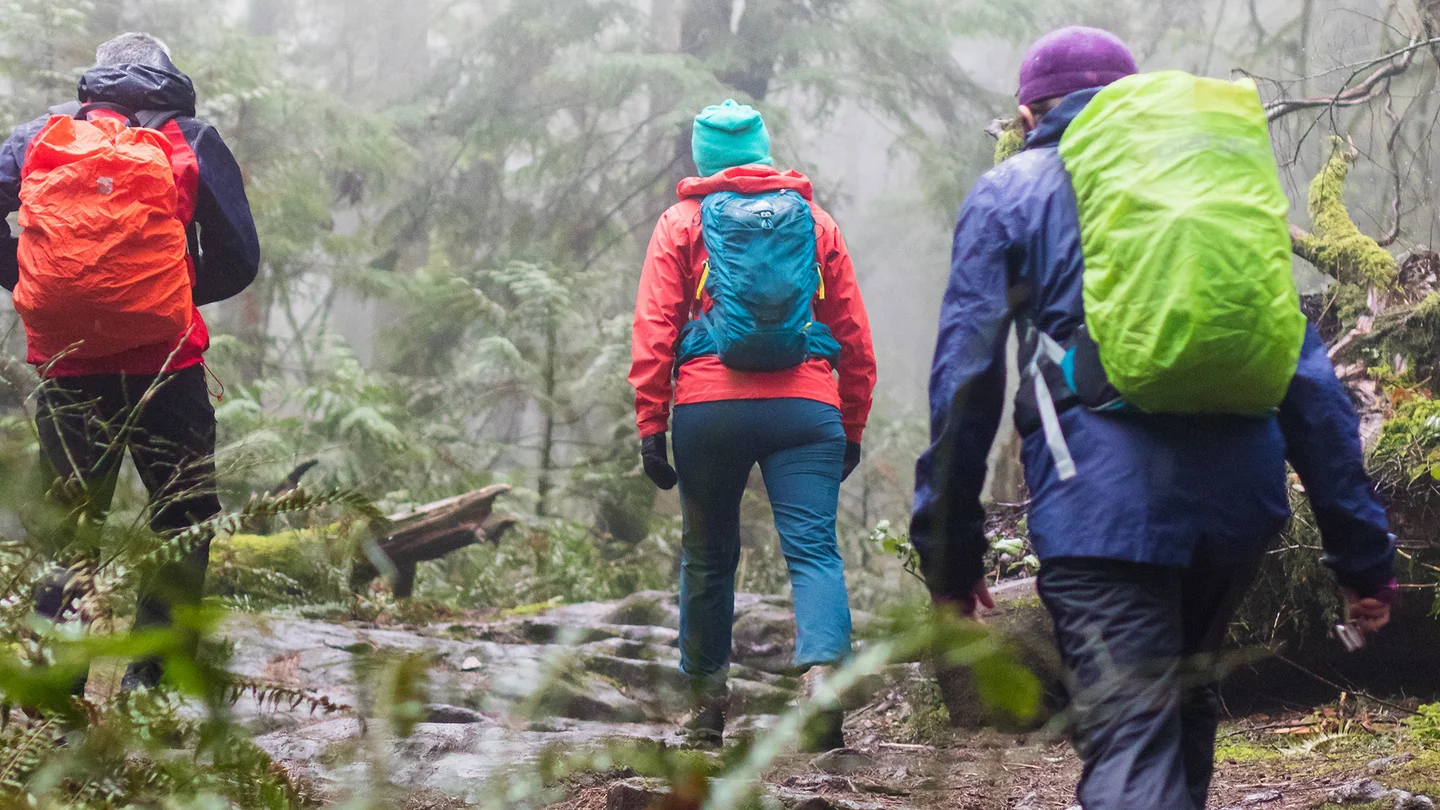
Hiking boots are vital gear for any outdoor enthusiast as they provide support, traction and protection against even the most rugged of trails. However, exposure to extreme weather conditions including snow, rain and extreme heat can take a significant toll on hiking boots for women and men. With this in mind, it is important to ensure that your hiking boots are in top condition and continue to offer reliable performance in any weather. Below, we take a look at some practical tips for helping you protect and safeguard your hiking boots from extreme weather conditions.
Top tips for protecting hiking boots from extreme weather conditions
1.Choose Waterproof Boots
When selecting hiking boots, opt for models that are specifically designed to be waterproof or water-resistant. Waterproof hiking boots feature a breathable membrane, such as Gore-Tex or eVent, that repels water while allowing moisture to escape, keeping your feet dry and comfortable in wet conditions. Water-resistant boots are treated with a durable water repellent (DWR) coating that helps shed moisture and prevent saturation. Both options provide essential protection against rain, snow, and puddles, ensuring your feet stay dry and comfortable throughout your hike.
2.Apply Waterproofing Treatment
Even if your hiking boots are marketed as waterproof or water-resistant, it’s a good idea to apply a waterproofing treatment regularly to maintain their effectiveness. Waterproofing treatments such as silicone sprays, waxes, or Nikwax products create a protective barrier that repels water and prevents moisture from penetrating the boot’s exterior. Before applying waterproofing treatment, clean your boots thoroughly to remove dirt, debris, and oils that can interfere with the treatment’s effectiveness. Follow the manufacturer’s instructions carefully, and reapply waterproofing treatment as needed to ensure your boots remain water-resistant in extreme weather conditions.
3.Use Gaiters
Gaiters are protective garments that cover the lower legs and ankles, providing an additional layer of defense against water, snow, mud, and debris. Wearing gaiters over your hiking boots helps prevent moisture from seeping in through the top of the boot, keeping your feet dry and comfortable in wet conditions. Gaiters also help keep snow and debris out of your boots, reducing the risk of blisters and discomfort during winter hikes. Choose gaiters that are made from waterproof or water-resistant materials and feature adjustable closures for a secure and comfortable fit.
4.Dry and Air Out Your Boots
After hiking in extreme weather conditions, it’s crucial to dry and air out your hiking boots thoroughly to prevent moisture buildup and potential damage. Remove the insoles and laces from your boots and open them wide to allow air circulation. Stuff the boots with newspaper or a moisture-absorbing material such as cedar shoe trees to help absorb excess moisture and speed up the drying process. Avoid placing your boots near direct heat sources such as heaters or fireplaces, as excessive heat can cause damage to the boot’s materials. Instead, allow your boots to air dry naturally in a well-ventilated area, preferably away from direct sunlight.
5.Clean and Maintain Your Boots Regularly
Proper maintenance is key to extending the lifespan of your hiking boots and ensuring they remain in peak condition for years to come. After each hike, take the time to clean your boots thoroughly to remove dirt, mud, and debris that can degrade the materials and compromise performance. Use a soft brush or cloth to gently scrub away dirt from the exterior of the boots, paying attention to seams, crevices, and hard-to-reach areas. For stubborn stains or spots, use a mild detergent or specialized boot cleaner recommended by the manufacturer. Once your boots are clean, allow them to air dry completely before storing them in a cool, dry place away from direct sunlight.
6.Store Your Boots Properly
When your hiking boots are not in use, store them properly to protect them from damage and deterioration. Avoid leaving your boots in damp or humid environments, as moisture can promote mold growth, mildew, and deterioration of the materials. Store your boots in a cool, dry place with good air circulation, such as a closet or garage. To help maintain their shape and prevent creasing, insert shoe trees or stuff the boots with crumpled newspaper or fabric. Store your boots away from direct sunlight and heat sources, as prolonged exposure to UV rays and high temperatures can cause the materials to degrade over time.
7.Inspect Your Boots Regularly
Regularly inspect your hiking boots for signs of wear, damage, or deterioration, especially after hiking in extreme weather conditions. Check for loose stitching, delamination, cracks, or tears in the materials, as well as signs of water damage or mold growth. Pay attention to the condition of the outsoles, midsoles, and uppers, as well as the integrity of the laces, eyelets, and hardware. If you notice any issues or concerns, address them promptly to prevent further damage and ensure your boots remain reliable and functional on future hikes.
The Wrap Up
Protecting your hiking boots from extreme weather conditions is essential for maintaining their performance, durability, and longevity. With proper care and maintenance, your hiking boots will be ready to take on the trails and weather the elements for many adventures to come.
Get the best hiking boots for women and men from Cotswold Outdoors today.


