

In our modern society, there has been a significant shift towards embracing mindfulness and self-awareness in how we relate to ourselves and the world around us. We have come to acknowledge that pollution has detrimental effects on our planet and will not lead to positive outcomes. Consequently, we are actively exploring and implementing innovative techniques and approaches to promote sustainable and environmentally friendly production of goods. This increased awareness has paved the way for numerous groundbreaking methodologies that prioritize the preservation and well-being of our planet.
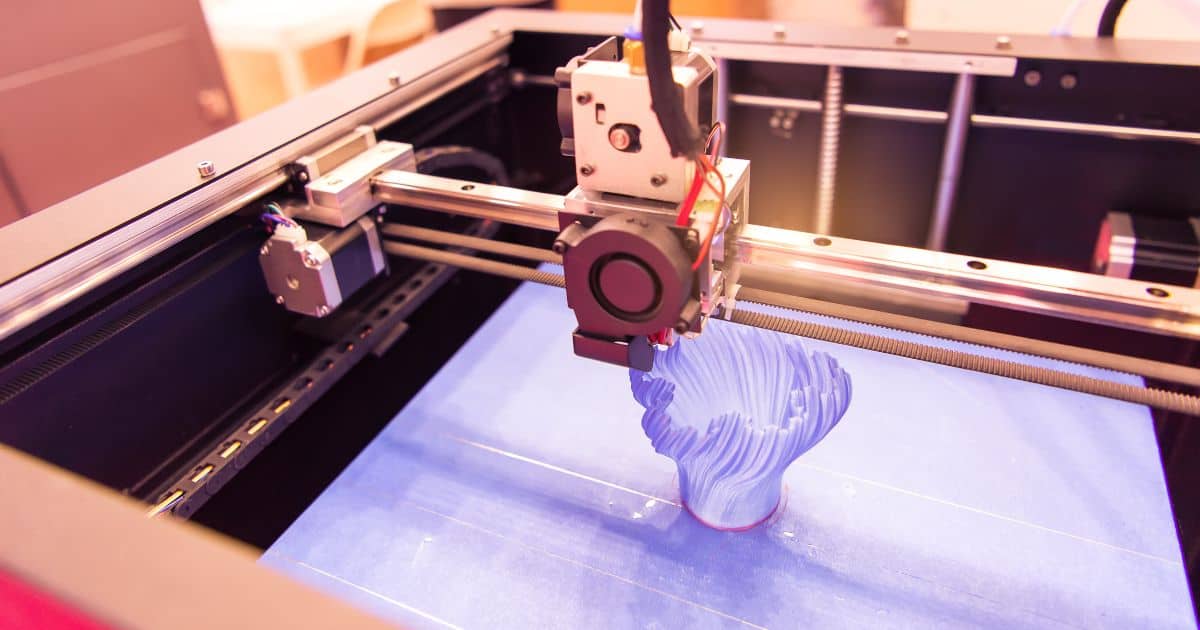
One of the most groundbreaking inventions of the time was the advent of the 3D printer, a technological marvel that captivates the imagination of both ordinary individuals and experts alike. The possibilities that a 3D printer offers are truly limitless, allowing enthusiasts to bring their wildest ideas to life. From the creation of intricate cookie cutters to the manufacturing of complex airplane parts, the 3D printer empowers individuals to explore their creativity and push the boundaries.
Currently, there are many platforms like Panomic3D that offer a wide range of 3D models to cater to different preferences and interests. These platforms provide users with numerous options to choose from, ensuring that there is something available to suit everyone’s unique taste and requirements.
What are the benefits of creating and using 3D models? Let’s examine them more closely:
Reduced material waste: One of the key benefits of 3D printing is its ability to minimize waste in the production process. It allows for precise and efficient use of materials, thus ensuring minimal waste is produced during manufacturing. This approach not only conserves resources but also promotes a more sustainable and environmentally-friendly method of production.
Recycling and upcycling: Another significant advantage of 3D printing is its ability to use recycled materials as feedstock, which is a key element in promoting circular economy practices. By incorporating recycling and upcycling principles into the 3D printing process, we can not only reduce waste and minimize the consumption of new resources but also contribute to a more sustainable future.
Energy conservation: Besides reducing waste and utilizing sustainable materials, 3D printing also aids in energy conservation. It uses less energy compared to traditional manufacturing methods, resulting in decreased carbon emissions. This energy efficiency is advantageous not only for the environment, but also lowers the overall carbon footprint of the production process.
Reduced packaging waste: Moreover, 3D printing reduces excessive packaging materials by eliminating the need for additional packaging used in traditional manufacturing. 3D printed models can be designed to interlock or include built-in components, reducing packaging waste and promoting a more sustainable and cost-effective packaging approach.
Reduced lead times: Lastly, 3D printing is beneficial for its ability to significantly reduce lead times. By using this technology, companies can speed up the production and prototyping processes, reducing the time it takes to bring products to the market. This not only provides a competitive advantage but also has a positive impact on the environment by minimizing the associated environmental footprint typically incurred with longer production cycles.
Overall, the positive environmental impact of 3D printing is significant. When all these factors are combined, 3D printing becomes a more sustainable and environmentally-friendly production method. It’s worth considering the integration of 3D models into various aspects of our lives. If you’ve decided to adopt this change in lifestyle, consider looking for the desired models on panomic3d.com. Remember, change starts with you!
