


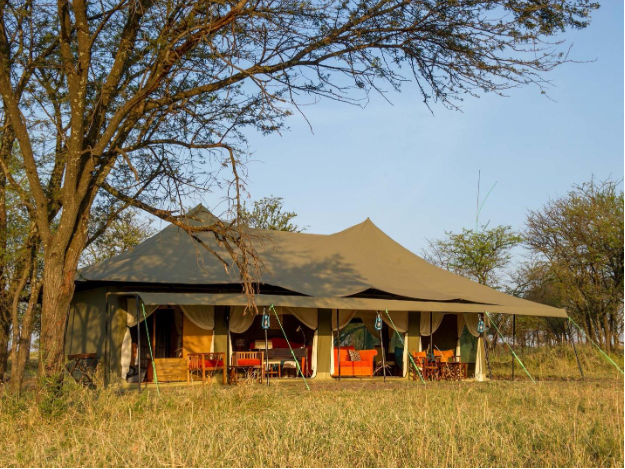
On Tanzania Safaris, one morning began with the soft clink of cups on a lodge veranda. The view stretches across a familiar landscape, and the day unfolds from a place that feels settled and steady. Another morning starts differently. Canvas wall unzip, camp stir quietly, and the horizon looks new because the camp itself has moved closer to where wildlife has shifted overnight. Where you sleep shapes how you experience the wild.
A Safari in Tanzania can follow two main rhythm a lodge-based stay or a mobile camp journey. Both offer meaningful ways to explore the country’s landscapes and wildlife, but they create very different daily flows. Understanding how Tanzania Safari Camps work helps travelers choose the style that matches their expectations, pace, and level of immersion.
What Defines a Lodge-Based Safari?
Comfort creates consistency. A Lodge-based safari in Tanzania centers around a permanent structure. Lodges remain in fixed locations within or near national parks and conservation areas. Because they don’t move, they offer a steady base for several nights, allowing travelers to settle into a routine. Rooms often include private bathrooms, spacious dining areas, and a viewing deck overlooking waterholes or plains.
This stability makes planning straightforward. Game drives usually begin and end at the same location each day, and guests return to familiar surroundings after time in the field. Lodges often provide easy access to amenities such as electricity, Wi-Fi in some areas, and large communal spaces.
Wildlife viewing from lodges depends on their proximity to key areas. Some are located in wildlife-rich zones, while others require a long drive to reach certain habitats. Still, many travelers appreciate the balance between comfort and exploration that lodges provide. The experience feel grounded and predictable in a positive way, especially for those who enjoy returning to the same place each evening.
What Defines a Mobile Camp Safari
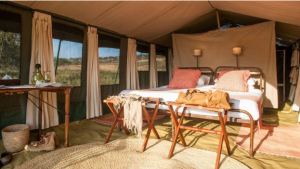

Movement brings proximity. A Mobile camp safari in Tanzania works differently. Instead of staying in one location, the camp shifts with the wildlife patterns and seasonal changes. Tents are set up in areas where animals are currently active, then moved as their movement patterns change. This flexibility keeps travelers close to the action and reduces long drives between camp and wildlife zone.
Mobile camps prioritize immersion over permanence. Tents are comfortable and well equipped, but the atmosphere feels closer to the environment. Mornings begin with the sounds of the bush nearby, and evenings often end around a small fire under open sky. The camp becomes part of the landscape rather than a separate destination.
Because mobile camps relocate with the season, especially in migration regions like the Serengeti National Park, they allow travelers to follow wildlife more directly. This style suits those who enjoy a sense of movement and the feeling of waking up in a different part of the ecosystem as animals shift across it.
Differences in Wildlife Access and Viewing Style
Distance and timing matter. The biggest difference between these Tanzania safari styles often comes down to access. Lodge-based safari may involve a long drive to reach certain wildlife areas, depending on where the lodge is located. However, once in the field, sighting can still be excellent, especially in regions with year-round resident wildlife.
Mobile camps tend to be positioned closer to seasonal hotspot. This can mean a short drive to reach herds, predators, or migration routes. Early morning and late evening may feel more connected to wildlife because the camp itself sit within active areas.
Viewing style also differs. Lodge-based safaris often follow a consistent route from a central point, while mobile camps allow more flexible movement as wildlife shifts. Neither approach guarantees better sighting; instead, each shape determines how the day unfolds and how much time is spent driving versus observing.
Comfort, Flexibility, and Experience Trade-Offs
Every choice reshapes the journey. When comparing Safari accommodation in Tanzania, comfort and flexibility tend to balance differently. Lodges usually offer larger rooms, larger dining facilities, and consistent service. They suit travelers who prefer stability, reliable amenities, and a familiar base.
Mobile camps trade some of that permanence for adaptability. While still comfortable, they emphasize closeness to nature and the ability to move with wildlife. The experience may feel more immersive but less structured.
Cost, travel pace, and personal interest also play a role. Some travelers combine both styles in a single itinerary, starting with lodges in certain Tanzania National Parks, then moving to a mobile camp in migration areas. This blend provides comfort and proximity without choosing a single approach.
Choosing the Right Safari Style for Your Travel Goals
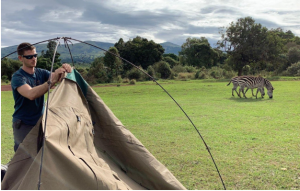

The best safari fits the traveler, not the trend. Choosing between Wildlife camps Tanzania and lodges depends on what matters most to you. Those who value routine, privacy, and consistent amenities may prefer a lodge-based stay. Travelers who want flexibility, seasonal positioning, and a closer sense of movement often prefer mobile camps.
Consider how you like to travel. Do you enjoy returning to the same place each evening, or waking up somewhere new? Do you prioritize comfort and stability, or proximity and immersion? Answering these questions helps align your safari style with your expectations.
Both options offer a meaningful experience. The difference lies in how the days feel, how far you travel to reach wildlife, and how closely your accommodation connects you to the landscape.
Choose a Tanzania Safari Camp style that aligns with how you want to experience the wild.


