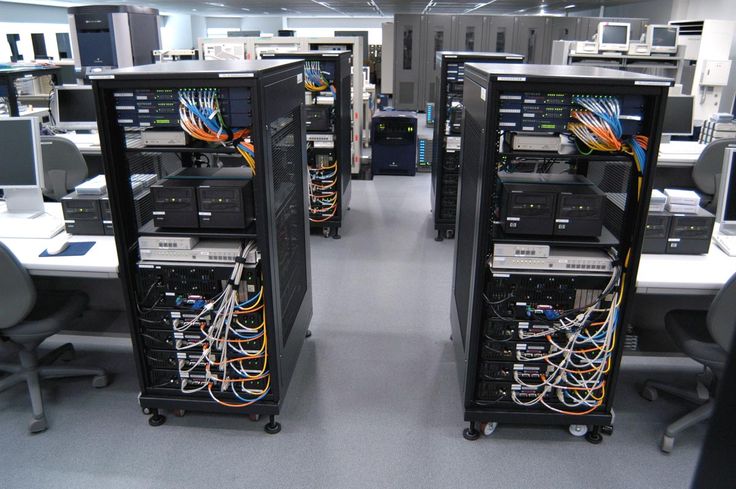
When starting a new business, one of the often overlooked aspects is setting up a server room. A well-designed and properly maintained server room is crucial for the smooth operation of any business, regardless of its size or industry. From ensuring data security to maintaining network stability, setting up a server room requires careful planning and attention to detail. Delve into the essentials of server room setup for new businesses, covering everything from choosing the right location and equipment to implementing the best cooling and cable management practices. Whether a small start-up or a growing business, having a robust server room infrastructure is key to your success in the digital age.
Laying the Foundation with Scalable Storage Solutions
One of the key components of successful server room racks setup is scalable storage solutions. Businesses can save time and resources by starting with versatile racks as they grow. These racks are designed to accommodate a wide range of equipment, making it easy to add or upgrade servers, switches, and other components as needed. This flexibility eliminates the need to constantly reconfigure the server room layout, reducing downtime and disruption to operations.
By investing in scalable storage solutions from the beginning, businesses can future-proof their server room setup and avoid the need for costly upgrades down the line. Versatile racks save time and resources and improve overall efficiency and productivity. With the ability to easily expand and adapt the server room infrastructure, businesses can focus on their core operations and growth strategies without being held back by limitations in their IT infrastructure.
Laying the foundation with scalable storage solutions is essential for new businesses looking to establish a reliable and efficient server room setup. By starting with versatile racks, businesses can streamline their IT infrastructure, save time and resources, and set themselves up for success as they grow. With careful planning and the right equipment, businesses can create a server room that meets their current needs while also being able to scale up to meet future demands.
Network Infrastructure Basics
Setting up a network infrastructure for a new business is critical to ensuring long-term success. Scalability is a key consideration when setting up a network infrastructure, as the business will likely grow and expand over time. Choosing equipment and technologies that can accommodate future growth without needing a complete network overhaul is important. This includes investing in equipment with ample capacity and scalability options, such as switches, routers, and servers, that can easily be expanded as the business grows.
In addition to scalability, reliability is another crucial aspect of network infrastructure setup. Downtime can be costly for any business, so it is essential to implement redundancy and backup solutions to minimise the risk of network failures. This includes setting up failover systems, redundant power supplies, and regular maintenance to ensure the network operates at peak performance. By focusing on scalability and reliability when setting up a network infrastructure, businesses can position themselves for success and ensure that their network can support their operations now and in the future.
Implementing Effective Monitoring Systems
Implementing effective monitoring systems is a key component of ensuring the smooth operation of a server room. By utilising monitoring tools and software, businesses can keep a close eye on the performance of their servers, network devices, and power systems. These systems can provide real-time alerts for potential issues, allowing IT professionals to quickly address and resolve them before they escalate into larger problems. Regularly monitoring the server room’s temperature, humidity levels, and power consumption can also help prevent equipment failures and downtime.
In addition to monitoring the hardware and environmental conditions of the server room, businesses should also implement effective monitoring systems for their data and network security. This includes monitoring network traffic, firewall logs, and intrusion detection systems to detect suspicious activity or security breaches. Businesses can proactively identify and address security vulnerabilities to prevent data breaches and cyber-attacks by regularly reviewing and analysing the data collected from these monitoring systems. With the right monitoring systems in place, businesses can ensure their server room operations’ reliability, security, and efficiency.