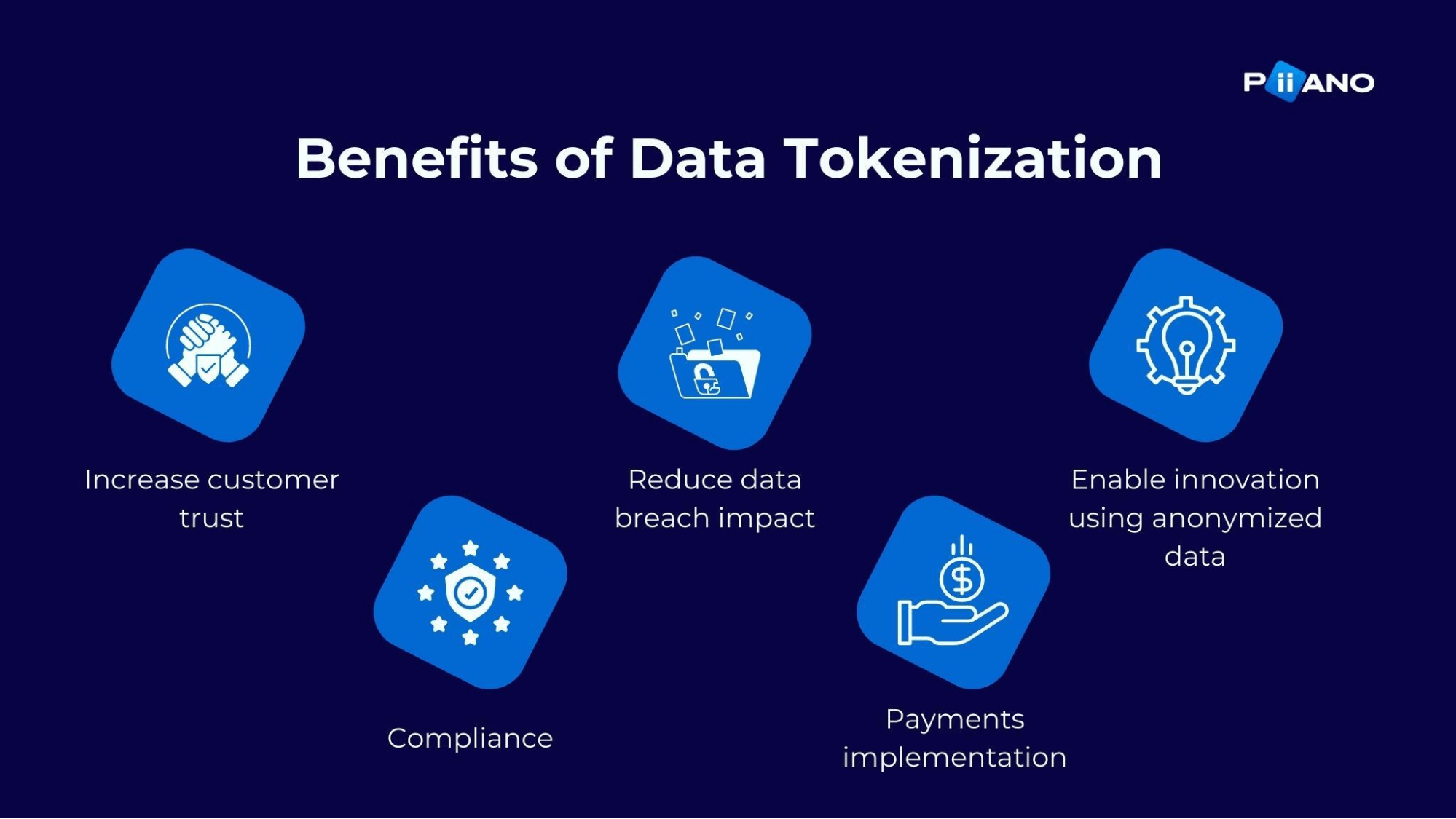
Tokenization has become an increasingly popular method for securing sensitive data, especially in the payments industry. It involves replacing sensitive data like credit card numbers with non-sensitive substitutes called tokens. The token acts as a reference to the original data but has no extrinsic value if breached. Tokenization allows businesses to reduce their risk of data breaches while still being able to process transactions efficiently. With tokenization, the original sensitive credit card data is stored securely by the token service provider. The merchant or business only handles the token representing that data, not the actual card details. This minimizes the sensitive data that is present in the merchant’s systems. Even if a data breach occurred, hackers would only gain access to worthless tokens rather than usable card numbers.
Tokenization shifts the risk away from merchants by isolating the storage of raw card data. Businesses gain an extra layer of protection without needing to disrupt their payment workflows. Adopting tokenization demonstrates a proactive security approach that follows best practices for data protection. One of the best ways to implement tokenization is by integrating open-source payment APIs. Open-source payment APIs provide developers with ready-made code to quickly add payment capabilities to their applications. Many have built-in support for tokenization or allow easy integration with third-party tokenization services. Utilizing these open-source APIs can simplify the process of adding robust security measures to payment systems.
Security Measures with Open Source API Integration
Securing sensitive customer data is crucial for digital platforms facing rising breaches. Building robust security requires extensive expertise and resources. Integrating open-source APIs efficiently provides multilayered protection out-of-the-box through built-in features like encryption and tokenization. Tapping into hardened API security mechanisms mitigates fraud risks while enabling the incorporation of best practices with minimal effort.
Tokenization Unveiled
At its core, tokenization is the process of substituting sensitive data with a non-sensitive equivalent, referred to as a token. This method is widely used in the realm of payment processing, enabling secure transactions without exposing critical information such as credit card details. A token, essentially a random string of characters, serves as a stand-in for the actual data, making it incomprehensible to malicious actors even if intercepted.
Implementing tokenization involves a two-step process: tokenization and detokenization. During tokenization, the sensitive information is replaced with a unique identifier, the token, which is meaningless without the corresponding detokenization process. This method minimizes the risk associated with data breaches, as even if the token is compromised, it holds no intrinsic value without access to the detokenization process.
Open Source Payment API Integration
The integration of open-source payment API complements tokenization by providing a transparent and customizable framework for handling transactions securely. Open-source APIs allow developers to access and modify the source code, tailoring it to meet specific security requirements. In the context of digital transactions, open-source APIs provide a collaborative and community-driven approach to developing payment solutions.
One notable advantage of open-source API integration is the flexibility it offers. Developers can adapt the codebase to suit the unique needs of their application, ensuring that security measures align with the specific requirements of the system. Additionally, the open nature of these APIs promotes transparency and accountability, as the source code is accessible to the community for scrutiny and improvement.
Security Token: The Guardian of Digital Transactions
Within the realm of tokenization, the term “security token” takes on a specific role. Unlike traditional tokens, which might merely serve as placeholders, security tokens are designed with encryption and additional security layers. These tokens add an extra level of protection by employing cryptographic techniques, making it exceedingly challenging for unauthorized entities to decipher or manipulate the tokenized data.
When combined with open-source API integration, security tokens become a formidable force against cyber threats. The collaboration between tokenization and open-source APIs ensures that the entire transaction process is fortified from end to end. The open-source community’s constant vigilance and collaborative efforts contribute to the ongoing improvement and refinement of security measures, making it a proactive defense mechanism against evolving threats.
Conclusion
Tokenization powered by integration with open-source APIs is an effective modern approach for securing sensitive payment data. Widely used payment APIs offer built-in client-side encryption to tokenize data before it reaches servers. Token vault services allow secure future storage of credentials as tokens instead of raw card details. Additional open-source tokenization services like Tokenex enable custom tailoring of granular tokenization flows. With the wealth of capabilities provided by integrating diverse APIs, multilayered security can be achieved to minimize compliance burdens and reduce data breach risks.
With robust client-side security mechanisms and prudent API selection, developers can engineer hardened payment systems following security best practices. Tokenization crucially protects data by isolating it from merchants, keeping it safe even during breaches. Tapping into open APIs allows easy incorporation of tokenization, shifting the burden off developers’ shoulders. This enables building appropriately secured payment processing with reduced effort and risk. Overall, leveraging open-source APIs equips developers with the tools to implement end-to-end security, from capturing sensitive data to storage and all points between.